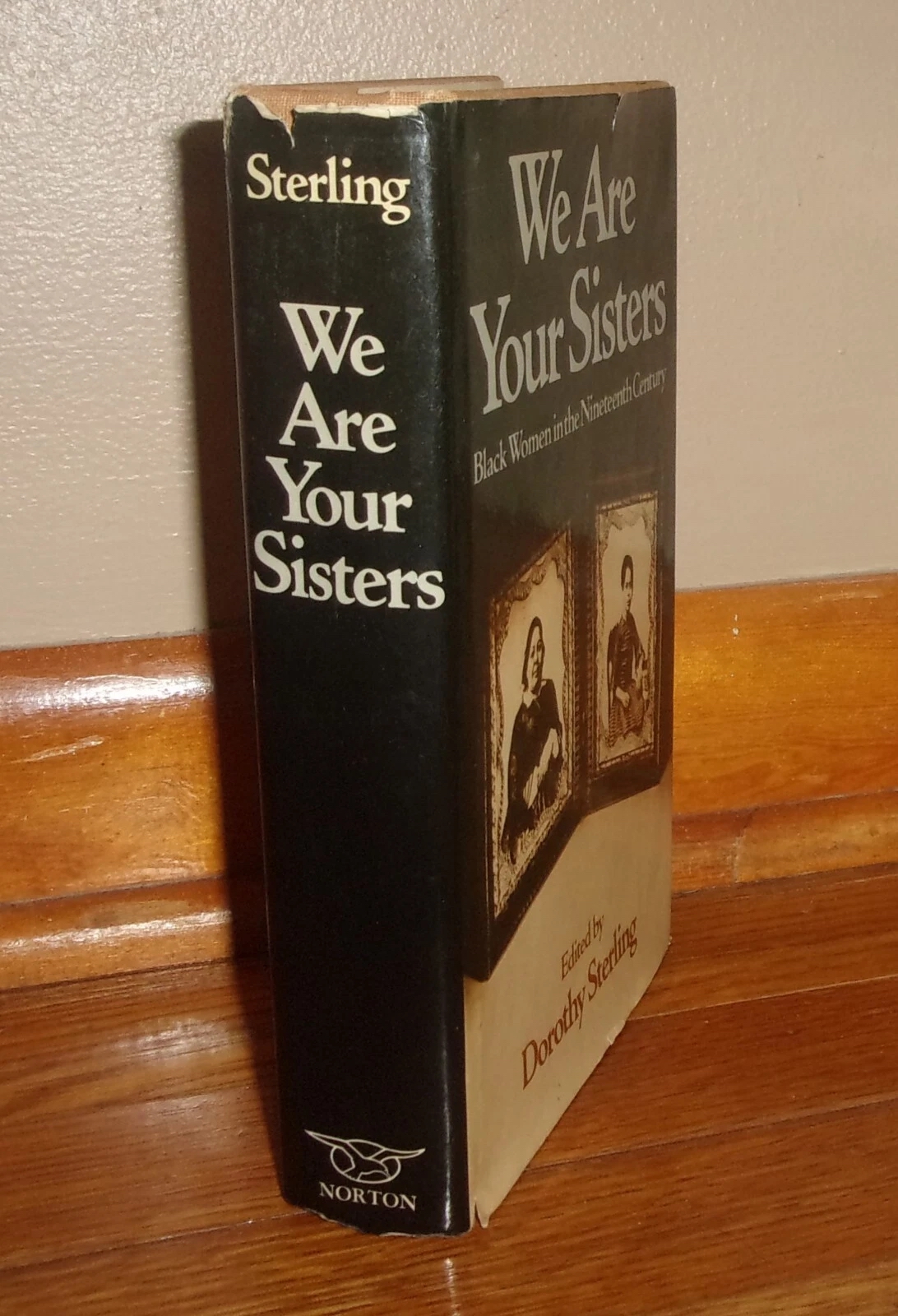
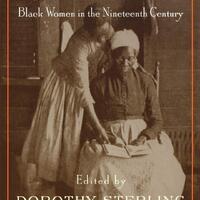
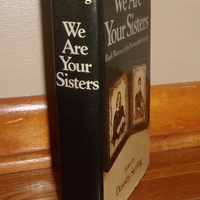
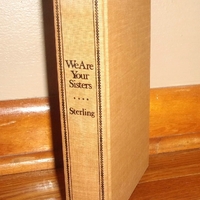
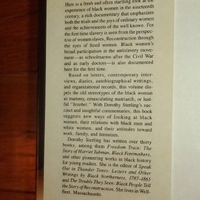
We Are Your Sisters: Black Women in the Nineteenth Century
Item
-
Title
-
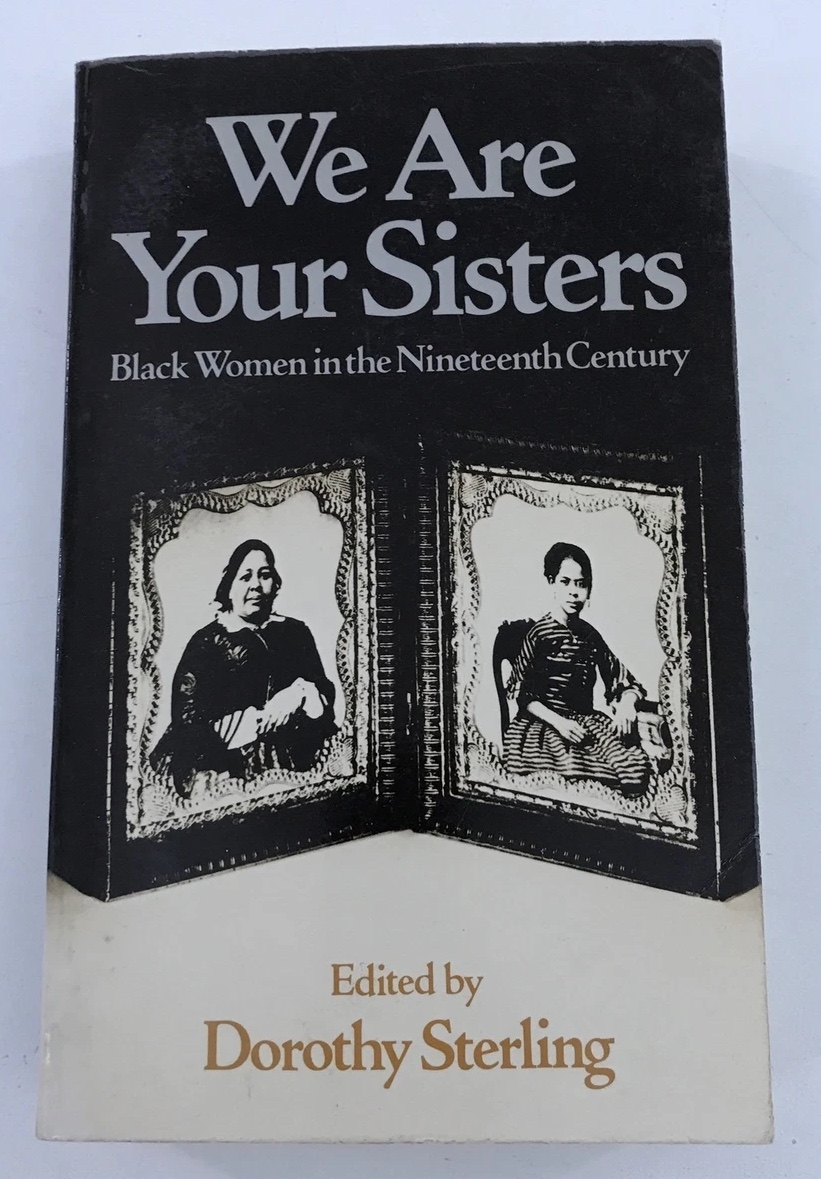
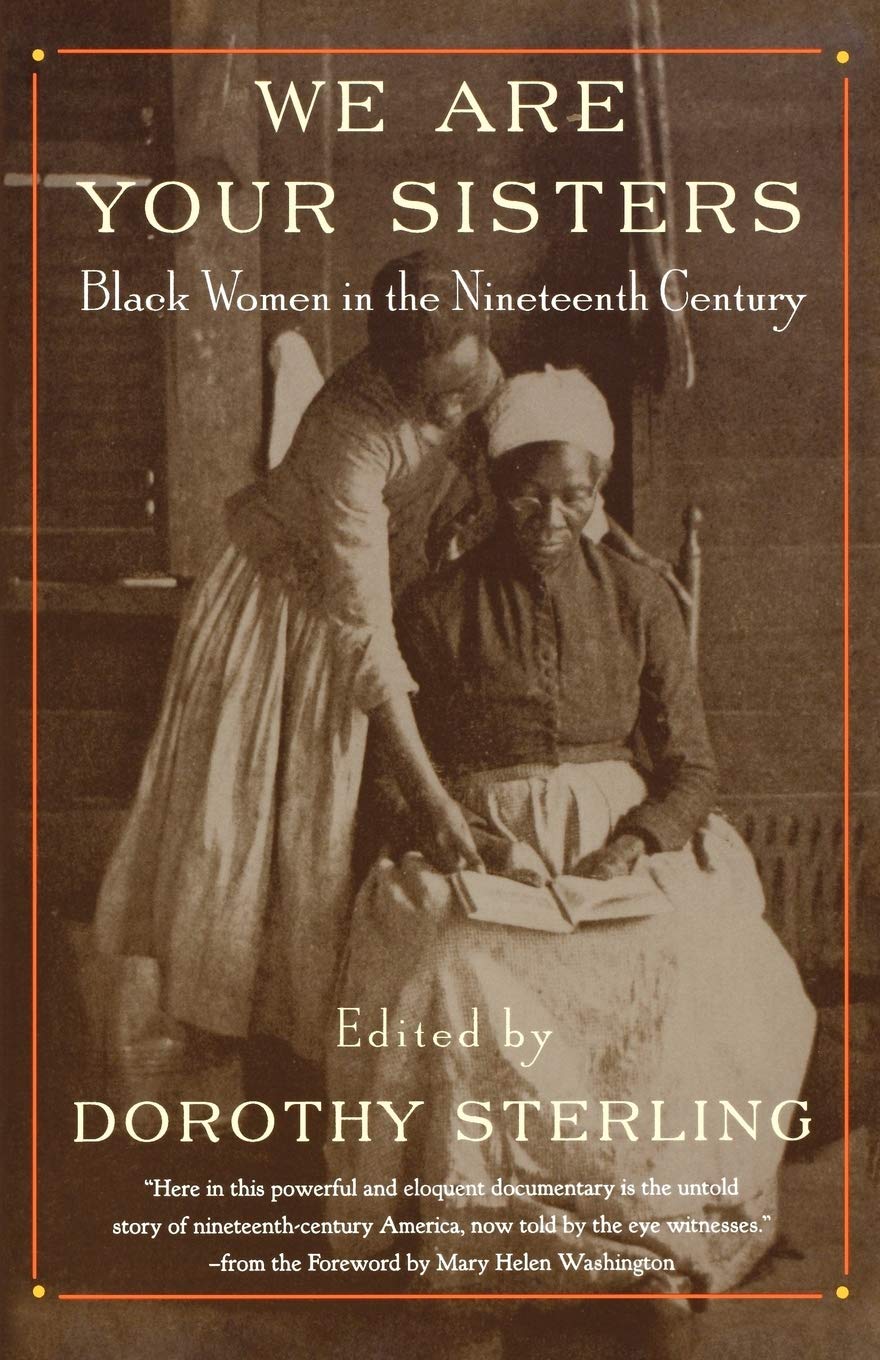
We Are Your Sisters: Black Women in the Nineteenth Century
-
This edition
-
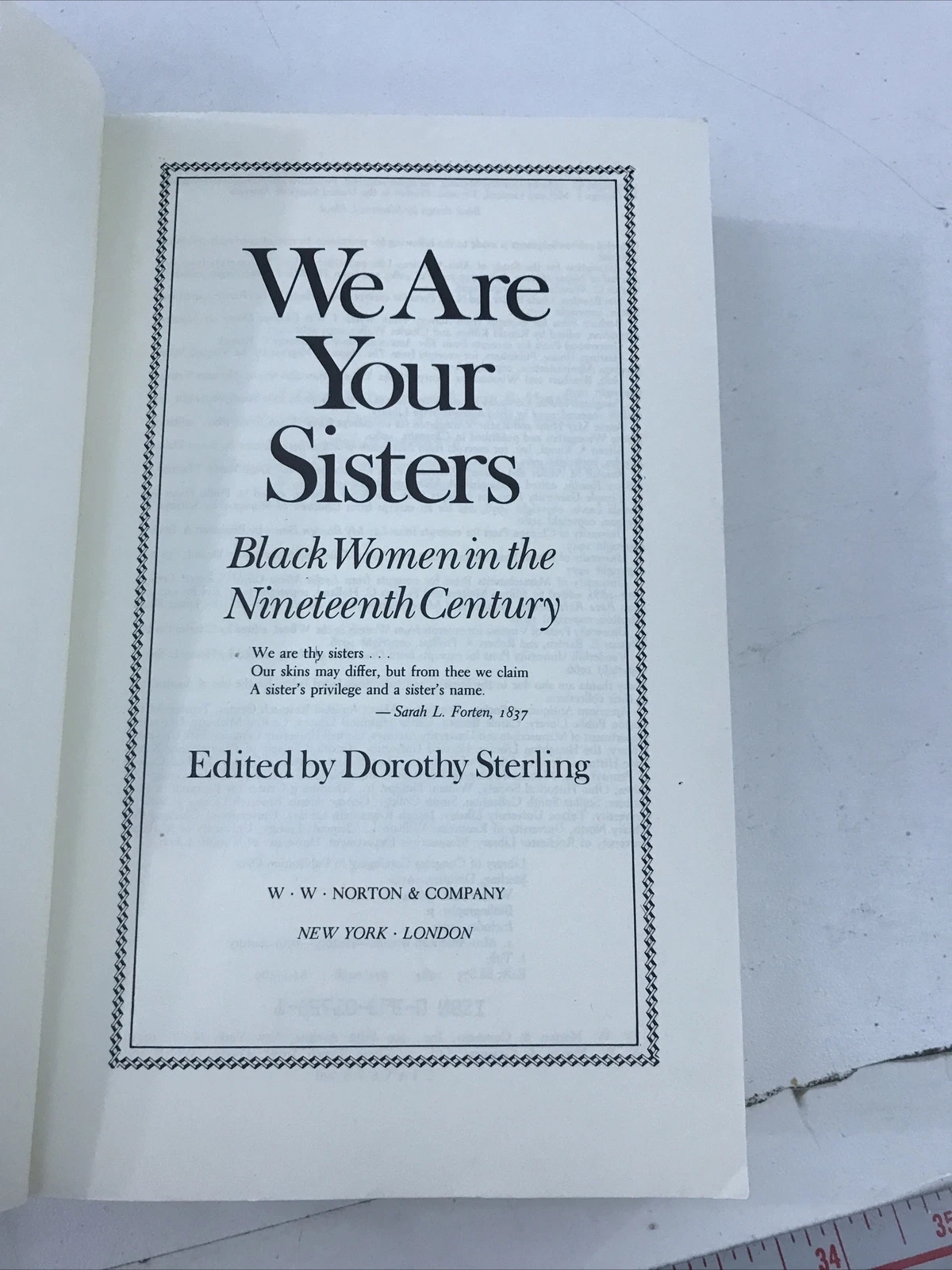
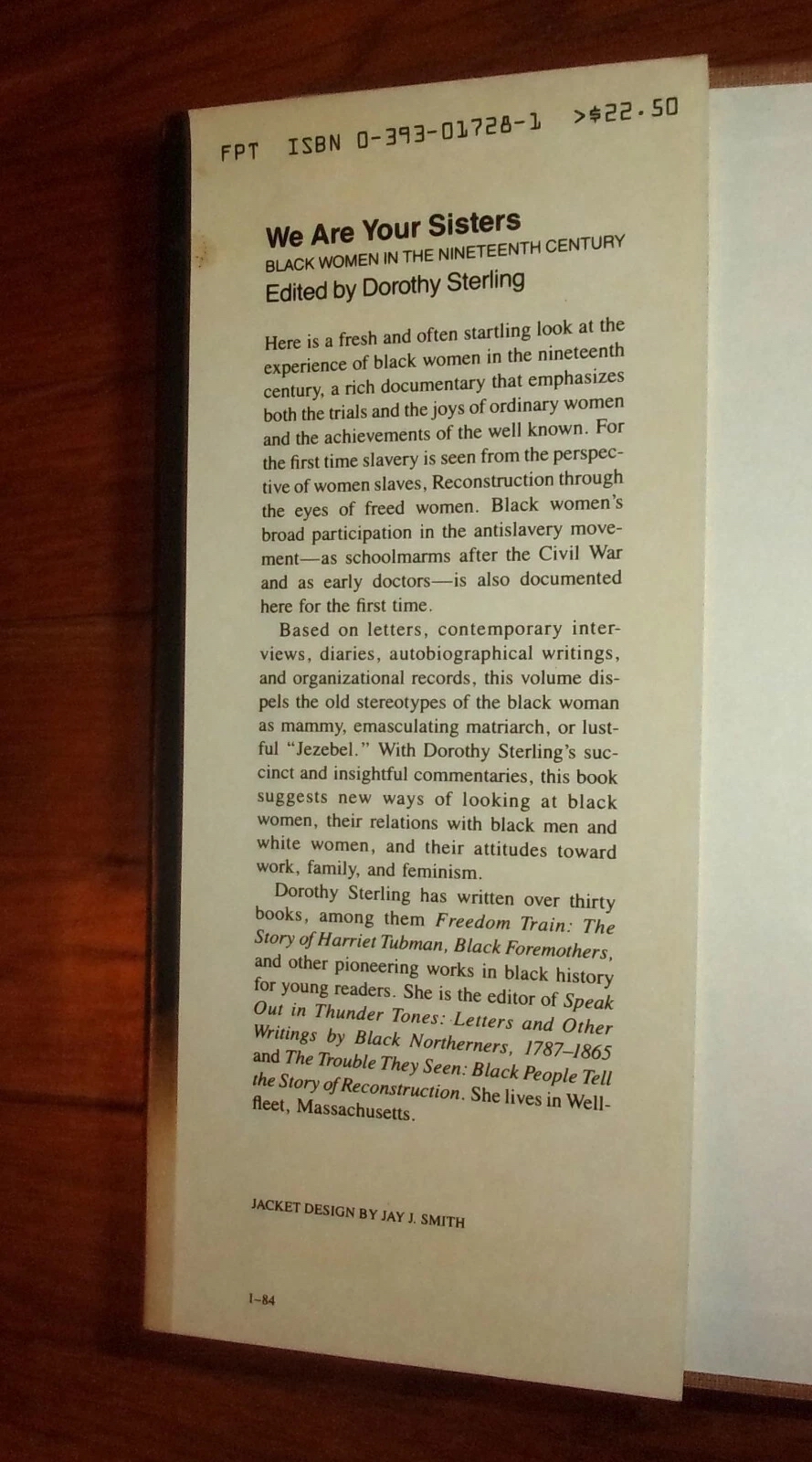
"We Are Your Sisters: Black Women in the Nineteenth Century." Ed. Dorothy Sterling. New York: Norton, 1984. 535 pp.
-
Other editions, reprints, and translations
-
Reprinted with a new preface by Mary Helen Washington. New York: Norton, 1997.
-
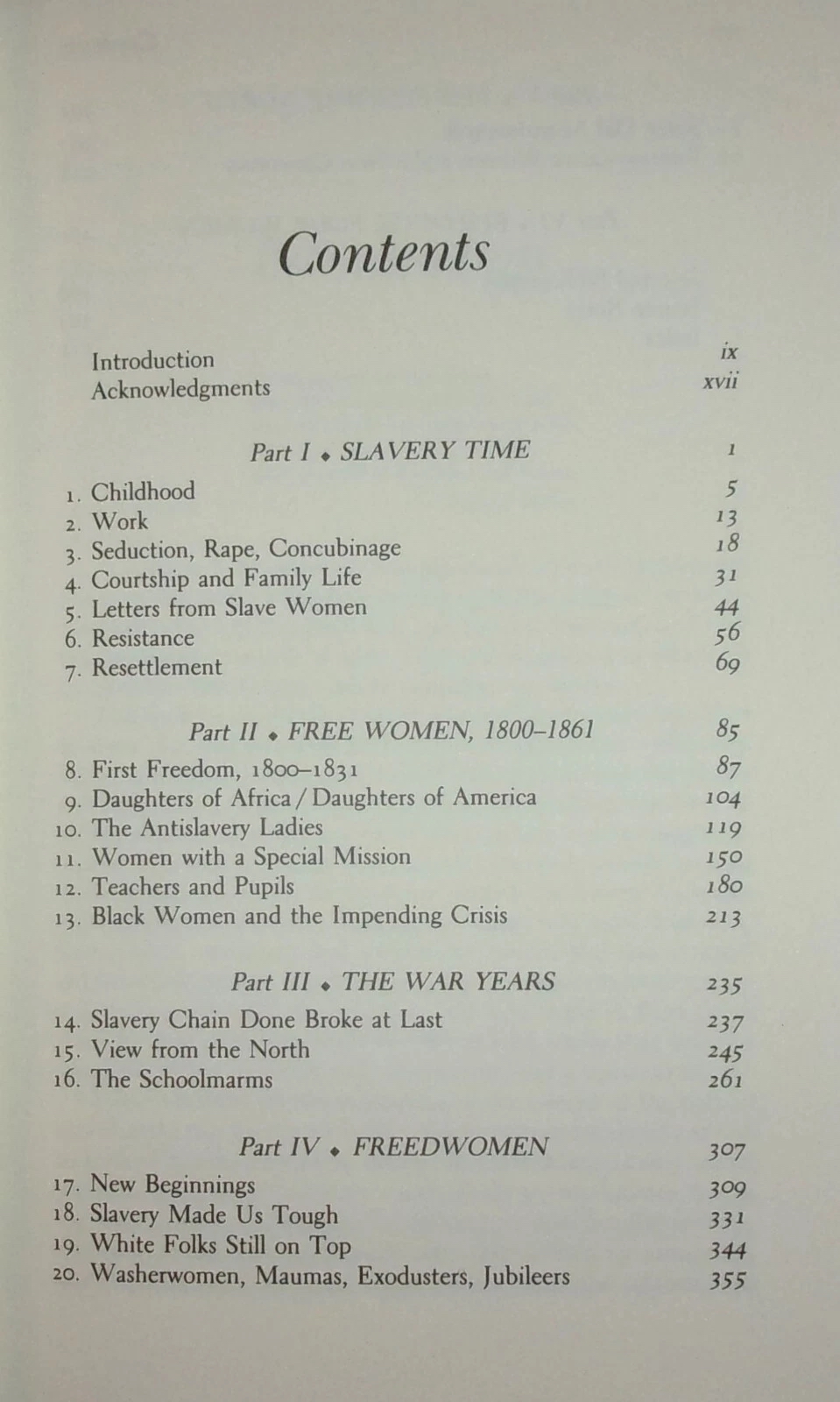
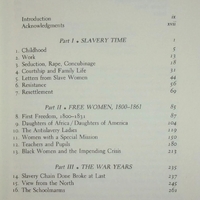
Table of contents
-
Mary Helen Washington / Foreword [in 1997 reprint]
Dorothy Sterling / Introduction
Slavery time.
Childhood ;
Work ;
Seduction, rape, concubinage ;
Courtship and family life ;
Letters from slave women ;
Resistance ;
Resettlement --
Free women, 1800-1861.
First freedom, 1800-1831 ;
Daughters of Africa/Daughters of America ;
The antislavery ladies ;
Women with a special mission ;
Teachers and pupils ;
Black women and the impending crisis --
The war years.
Slavery chain done broke at last ;
View from the North ;
The schoolmarms --
Freedwomen.
New beginnings ;
Slavery made us tough ;
White folks still on top ;
Washerwomen, maumas, exodusters, jubileers --
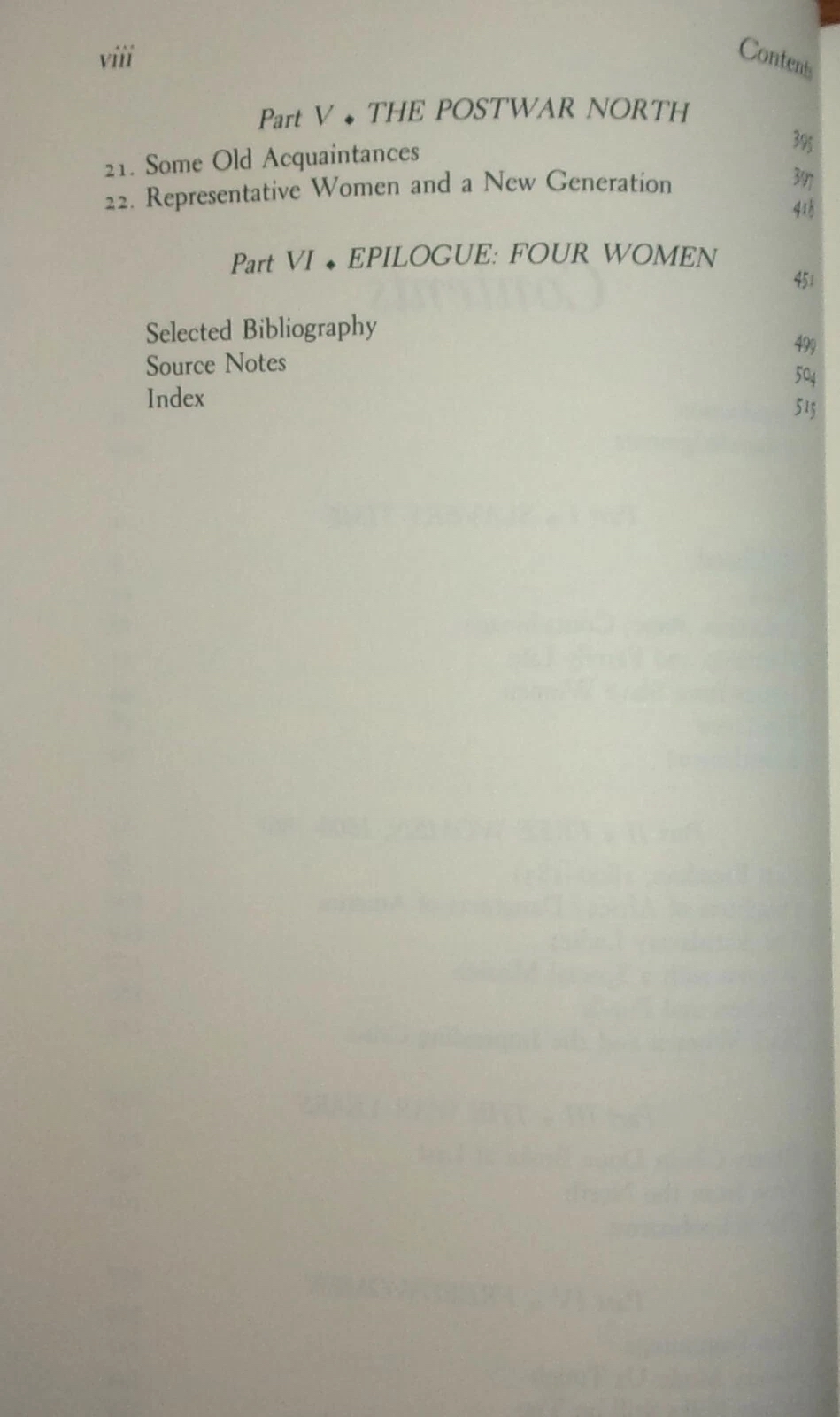
The postwar North.
Some old acquaintances ;
Representative women and a new generation --
Epilogue : four women.
-
About the anthology
-
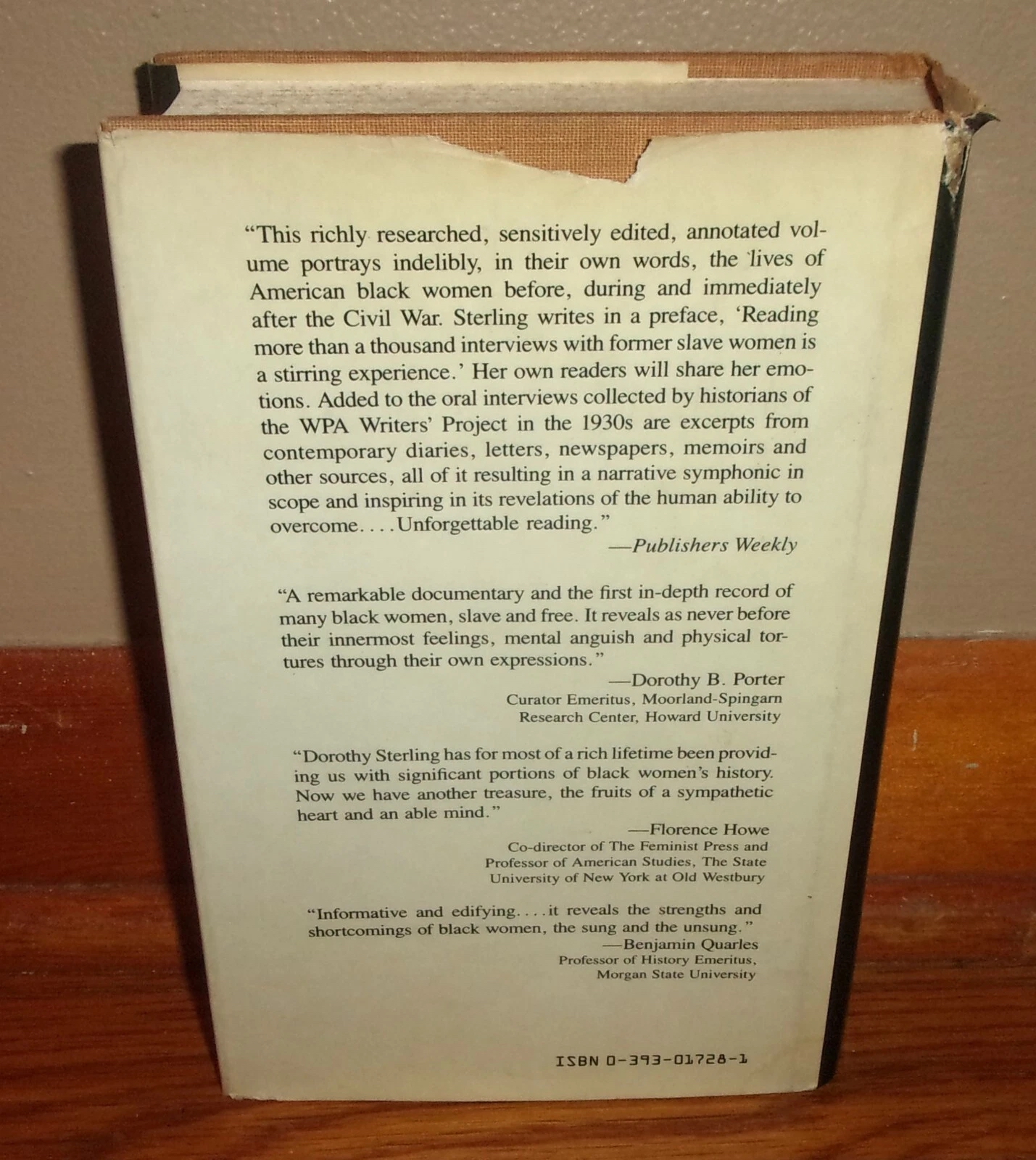
● Sterling constructs a mosaic, on each of the topics she discusses, out of hundreds of sources pieced together with her contextualizing and connective commentary for each excerpt. One has to work back through her notes and the bibliography, however, to identify the specific source for any given extract.
● The work is a rich resource, but presented more as a digest, than as a collection of sources--which means that Sterling's editorial role is correspondingly significant in framing the extracts.
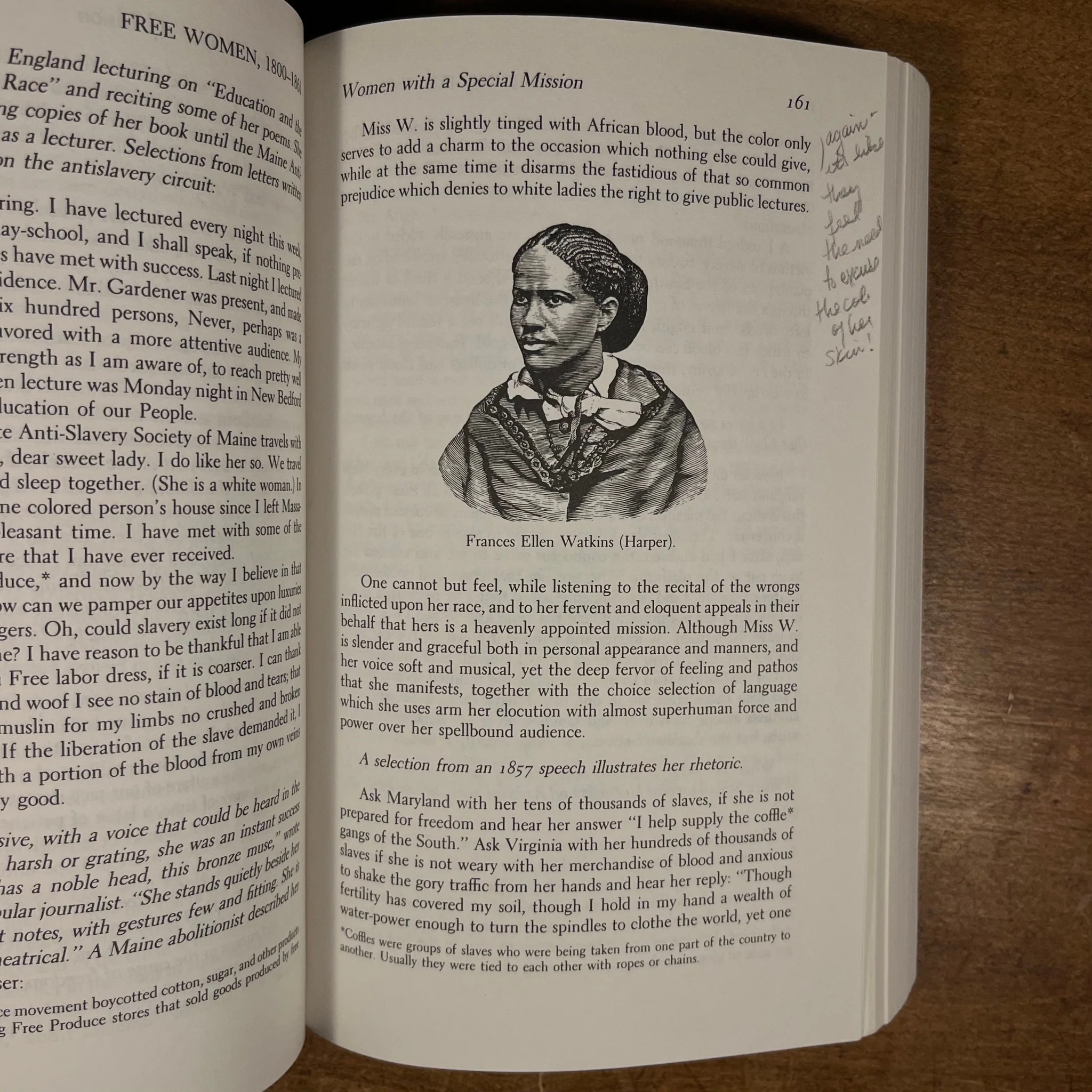
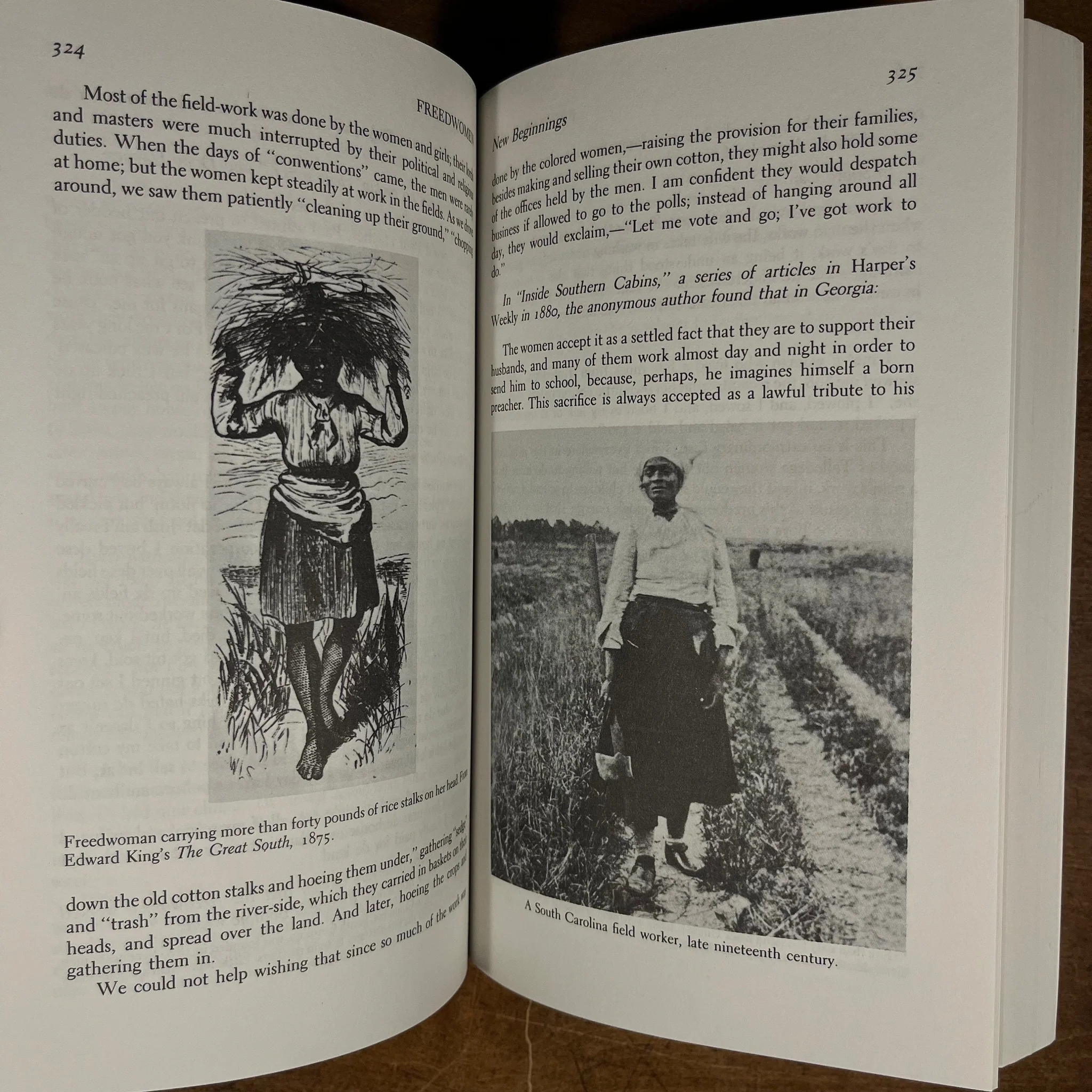
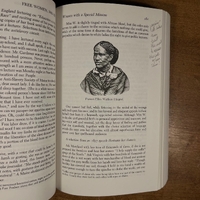
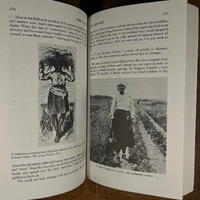
● Also includes a rich selection of illustrations of the lives of black women in nineteenth-century USA.
-
● Many of the sources Sterling draws on come from outside the print public sphere--oral histories, letters, journals, lectures and addresses.
● Most of the sources derive from African American women themselves, although sometimes mediated through someone else (an oral history interviewer, a reporter). Some sources, however, are accounts of black women and their lives by an outside observer.
-
Reviews and notices of anthology
-
● Jennings, Judi. "Quaker History" 74.1 (1985): 54-55.
-
● Utada, Beth Brown. "Two Historical Studies." "Journal of Black Studies" 16.4 (1986): 453-56.
-
● Aptheker, Bettina. "Black Women: Love, Labor, Sorrow, Struggle." "Science & Society" 51.4 (1987-88): 478-85.
-
Item Number
-
A0624